If you’re eating a well-balanced, nutrient-dense, varied, whole foods diet, the cooked vs. raw debate isn’t that critical for most people.
Where it can become a consideration is in the case of symptoms of vitamin and mineral deficiencies. These can be due to digestion or absorption issues, or avoidance of certain foods due to allergies, sensitivities, or choice.
Important note. The answer isn’t as simple as “raw is always better” or “cooked is always better.” As with most nutrition science, it depends on several factors. Some vitamins are destroyed in cooking, while others become easier to absorb (i.e. more “bioavailable”).
Here is the low down on vitamins and minerals in raw versus cooked foods.
Foods to eat raw

As a general rule, water-soluble nutrients, like vitamin C and the B vitamins, found mostly in fruits and vegetables, are best eaten raw.
The reasons are:
- First, when these vitamins are heated, they tend to degrade. Heating can mean steaming, boiling, roasting, or frying. Vitamin C and the B vitamins are a bit more “delicate” and susceptible to heat than other nutrients.
One way to combat these nutrient losses is to eat foods high vitamin C and B vitamins in their raw form (like in a salad or as raw veggie sticks) or to cook them for as short a time as possible (such as blanching).
- The second reason why foods high in vitamin C and the B vitamins are best eaten raw is that they’re “water soluble.” So that means the vitamins go into the water when they’re cooked. Boiling results in more vitamin C lost than other cooking methods! This is the case for fruits and veggies that are boiled, poached or steamed.
If you’re organized about it, you can preserve those nutrients by keeping the cooking liquid for use in your next soup or sauce. Just don’t overheat it or you may lose what you were aiming to keep!
How much nutrient loss are we talking about? It ranges from as low as 15%, up to over 50%.
In summary, the water-soluble vitamins like vitamin C and the B vitamins degrade with heat and some of what’s left over after they’re heated dissolves into the cooking water. So, make a plan to cook your fruits and veggies as little as possible and keep that cooking water to use in your next recipe.
Foods to eat cooked
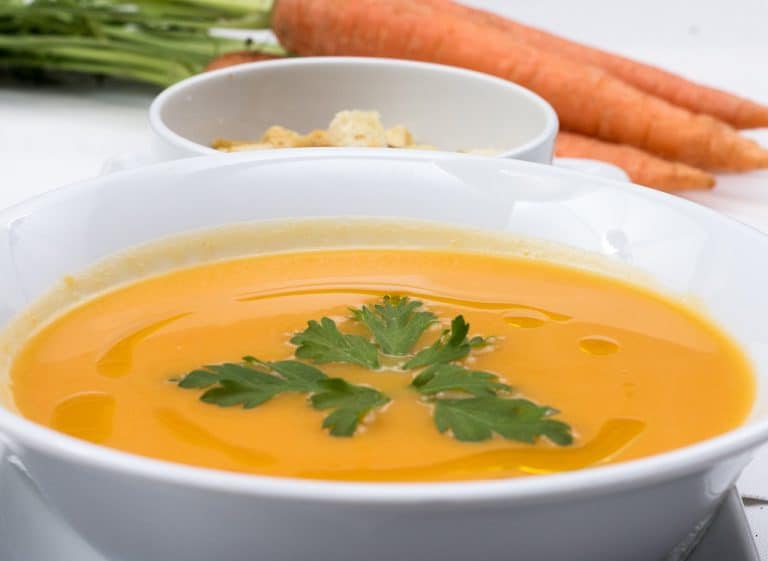
Cooking certain orange and red “beta-carotene rich” veggies (i.e. tomatoes, carrots, & sweet potatoes) can help make this pre-vitamin A compound more absorbable. One study found that absorption of beta-carotene was significantly more in cooked carrots vs raw!
Note: Eating your fat-soluble vitamins (vitamins A. D, E, and K) with a bit of fat will help you to absorb more of them, so that’s another factor to consider.
The vegetable that’s best eaten both raw and cooked is … Spinach!

Spinach contains so many beneficial compounds that it’s great eaten both raw and cooked.
Eating raw spinach preserves the water-soluble vitamins C & the B vitamins.
Eating spinach cooked allows the pre-vitamin A, as well as some of the minerals like iron to be better absorbed. And since spinach reduces in size when it’s cooked, it’s easier to eat more cooked spinach than raw.
Bottom Line
The traditional nutrition philosophy of making sure you get a lot of nutrient-dense whole foods into your diet is true here. Vary up eating your produce raw or cooked. Just make sure you eat them!
Do you have negative health symptoms? Wonder whether changes to your diet will help? Contact Bonnie here to book a free 20-minute discovery call to learn more.